Valentine's Day
- Czytaj więcej o Valentine's Day
- Zaloguj lub zarejestruj się aby dodawać komentarze
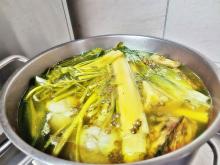
“In water, fish screw,” as folk wisdom says — so in vegan or plant-based cooking, there’s no place for water. Because that wouldn’t be vegan.
Seriously, though: cooking soups, sauces, etc., using juice, oat milk, or broth instead of plain water lifts them to a whole new level.
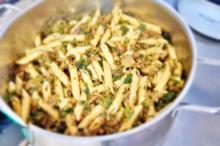
Have you ever tried to buy al dente pasta?
A colleague from catering and I once argued whether the story about a guy trying to buy “al dente pasta” was made up or real. I said it was real — not everyone spends their life cooking or knows kitchen terminology.
Al dente literally means “to the tooth.” Why “to the tooth”? Probably because it describes a slightly firm, undercooked texture that actually requires your teeth to bite through.
To achieve al dente pasta when cooking, start checking the texture about 2–3 minutes before the time stated on the package.
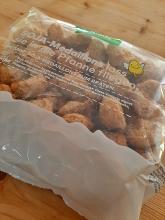
A tough choice, shamefully skipped when people talk about cooking.
And yet, at the intake end of the digestive tract, there’s a cook, and at the exit end—a toilet cleaner.
And yes, when you go vegan, your poop radiates goodness and cosmic light. Although sometimes it also stinks so badly that birds fall out of the sky.
But there’s another very important issue connected with a plant-based diet and the exit end of things.
Fiber.

And how do you tell a crank from a reliable dietitian?
A dietitian will say: It depends.
Because if you eat fries, wash them down with Coca-Cola or beer, or even (or especially) vodka,
then yes — that is a vegan diet.
A vegan diet is unhealthy as hell.
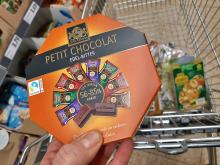
New Year’s resolutions are bullshit and fake, just like all those “miracle” life changes.
Gyms and similar places, the entire industry built around healthy lifestyles and self-care, see a sales spike in January.
And of course, food is part of that too.
And of course, already in February, gym memberships and kale chips sales drop back to their previous levels.

There’s no point stressing out. I mean: a few extra kilos. Or clenching your ass, thinking that from January you’ll start exercising.
That’s what holidays are for — to indulge a bit.
If there were a single image that could represent both Poles and Germans at once, it would be an image of potatoes. Which is actually a bit strange, because in both countries potatoes appeared on the table relatively recently — less than 200 years ago.
They largely replaced groats, and, to some extent, bread as the main carbohydrate/starch side dish. Also on Christmas Eve dinner. Although it’s hard to call potatoes a traditional Christmas Eve dish.
INGREDIENTS:
Here is the full translation:
Since Christmas is just around the corner, here is traditional Polish Christmas Eve cabbage.
INGREDIENTS:
250 g dried whole peas
500 g sauerkraut
40 g dried mushrooms
150 g dried apples (whole slices)
250 g smoked plums
150 g dried apples (sliced)
50 ml hemp oil

Fish used to be an important part of the diet during fasting. However, this did not come from biblical tradition, but from Hippocrates’ humoral medicine. A key element of fasting was overall restraint. Fasting was not only abstaining from certain foods, but also a spiritual fast — holding back impulses, cultivating a kind of emotional “coolness,” letting go of anger, rashness, and sexual desire. Foods considered “cold” in nature, according to the medical classification of the time, were thought to help with this.