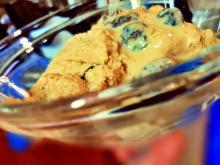
“Curd-Like” Ice Cream without Curd
- Czytaj więcej o “Curd-Like” Ice Cream without Curd
- Zaloguj lub zarejestruj się aby dodawać komentarze
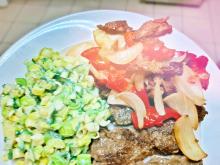
Noodles laid are almost the cornerstone of Polish cuccina povera, the cuisine of the poor, the folk cuisine. And like most such dishes, they fell out of favor with the enrichment of society.
Funny enough, I used to stumble upon this poor folk dish in fancy vegan restaurants in Warsaw before my departure.
The basic version consists of flour (optionally egg), milk (in my case, plant-based, of course), or even water as a last resort.
The cuisine of northern Germany is not among the most refined in the world. Bratwurst with potato salad and red millet allow for a different perspective on World War II. If you were fed like this every day, you'd also prefer to hop into a tank and invade Poland. And eat Polish dumplings and soups.
Some lottery bonus of fate is that I've never been a fan of either sweetened carbonated drinks or those awful sweet Mars bars, Twixes, Pigs, or whatever those brown things with corn syrup and additives are called.
Similarly, fast food. All those pizzas, hot dogs, burgers. Not even pizza. And I never really understood those fans, either. Seriously, do you think a burger with fries is the best thing you can eat?
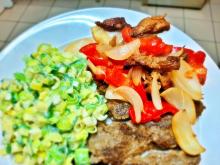
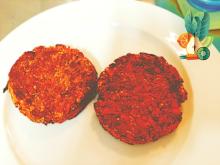
I like the name "Traditionally roasted Soymeat" The fact that something is traditionally roasted (especially if it's wood-fired...) nobilizes what ends up on the plate.
What's funny is that it's part of the mythology of the Golden Age, present in human cultures forever.
INGREDIENTS:
10 previously soaked soy cutlets (see Notes)
2 onions (about 150 g)
1 bell pepper (about 200 g)
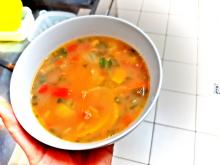
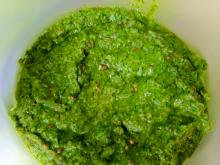
Wild garlic, which is the best thing about living in Lower Saxony (besides being close to Hamburg). Here, it's a local seasonal delicacy. Not as ubiquitous as asparagus, but available in every grocery store.
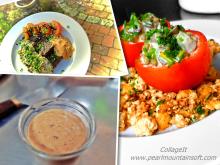
Easter, somewhat in opposition to the Polish Christmas Eve tradition, is a difficult topic to tackle in a plant-based kitchen, with meats, cold cuts, and eggs dominating the table.
Creating a plant-based menu for Easter is much more challenging and requires more creativity than for Christmas Eve, where in many dishes there is no need for more than minimal changes like replacing gelatin with agar.
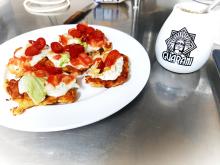
I try to manage the products during events in a way that produces as little waste as possible. Reducing food waste was one of my goals last year and still remains high on the priority list.
Of course, there's always something left, and for a few days after the event, I build my menu largely from what's left and what ideas I come up with. And from that perspective came the inspiration for pancakes for breakfast on the first day of the first vacation of the year. I had my vegetable base for soup and canned kidney beans, from which I used aquafaba for mayonnaise.
Often, after a several-day party when guests leave, I experience nervous breakdowns and a terrible aversion to cooking and eating. I go hungry all day because I don't feel like cooking anything. Or I spend the whole day looking into cabinets and the fridge, wondering what I'd like to eat. And nothing appeals to me.
But the cabinets are full of food. Well, something has to make it taste good for me. The best is to use leftovers from the party. But I don't feel like cooking. Damn. Something simple, like in five minutes. A kind of cooking on a whim.

The kitchen, unlike the dining room or salon, where the gentry discuss wise and important matters, doesn't occupy much space in culture. The sensation was the English young and angry. A group debuting in the second half of the 20th century, creators practicing "kitchen sink realism." "Chicken Soup with Barley," and "Chips with Everything" these titles of Arnold Wesker's plays that speak for themselves. Wesker, who worked as a chef for some time, left not only plays but also essays, novels, and a cookbook.