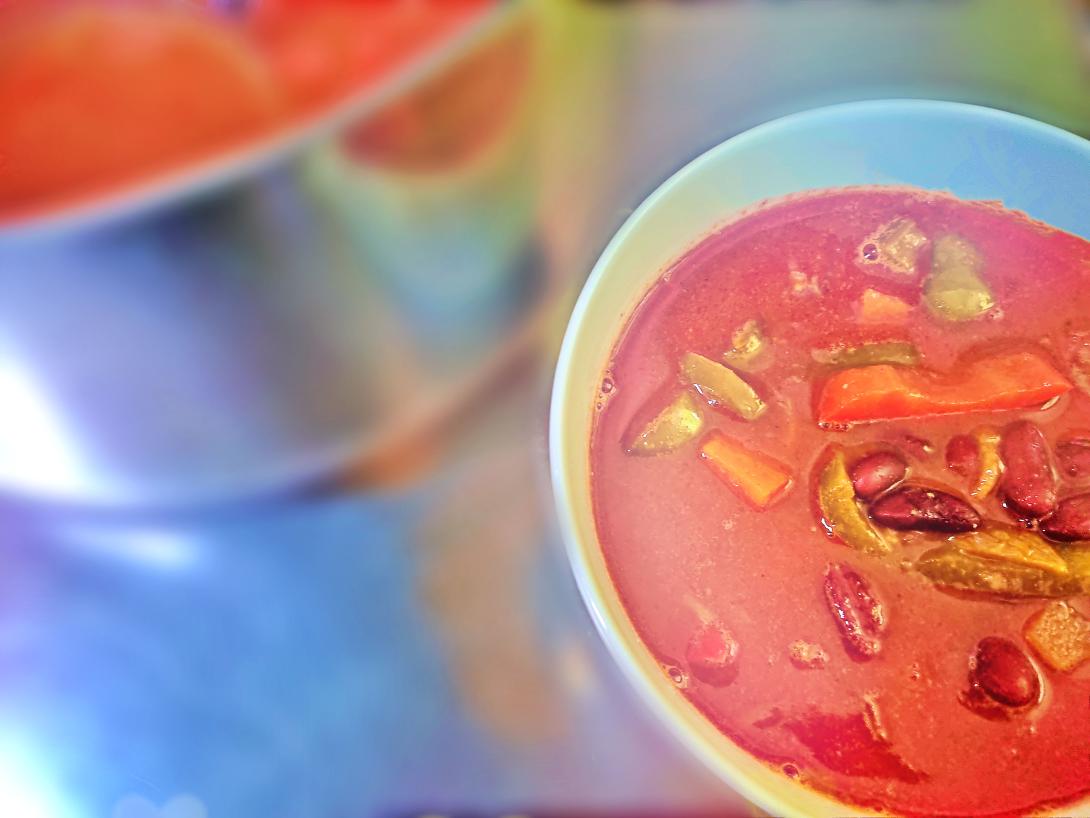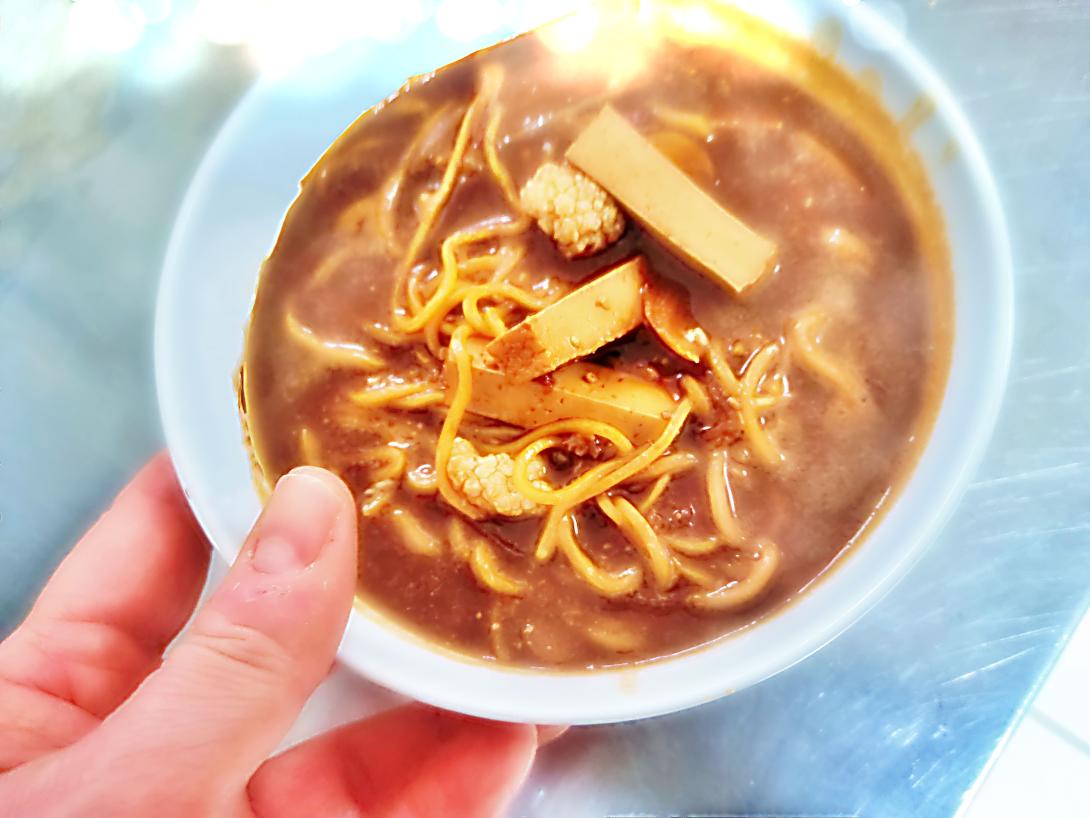
Seitan and yuba for Easter

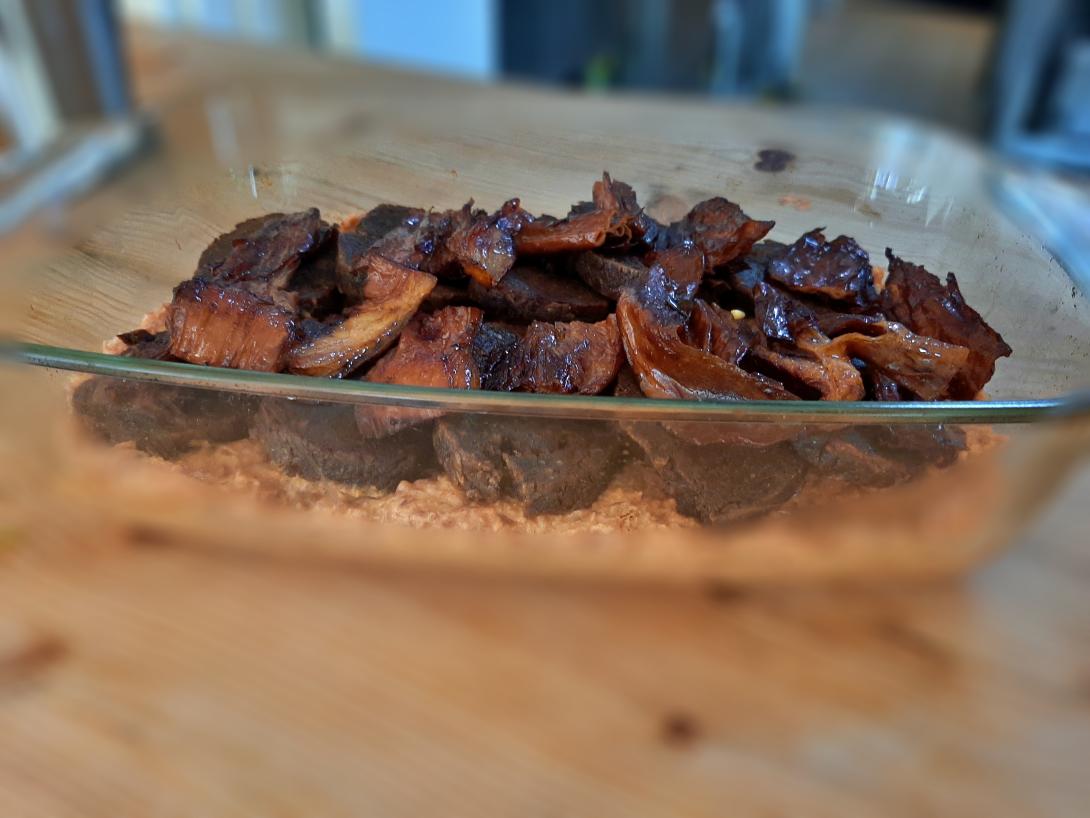
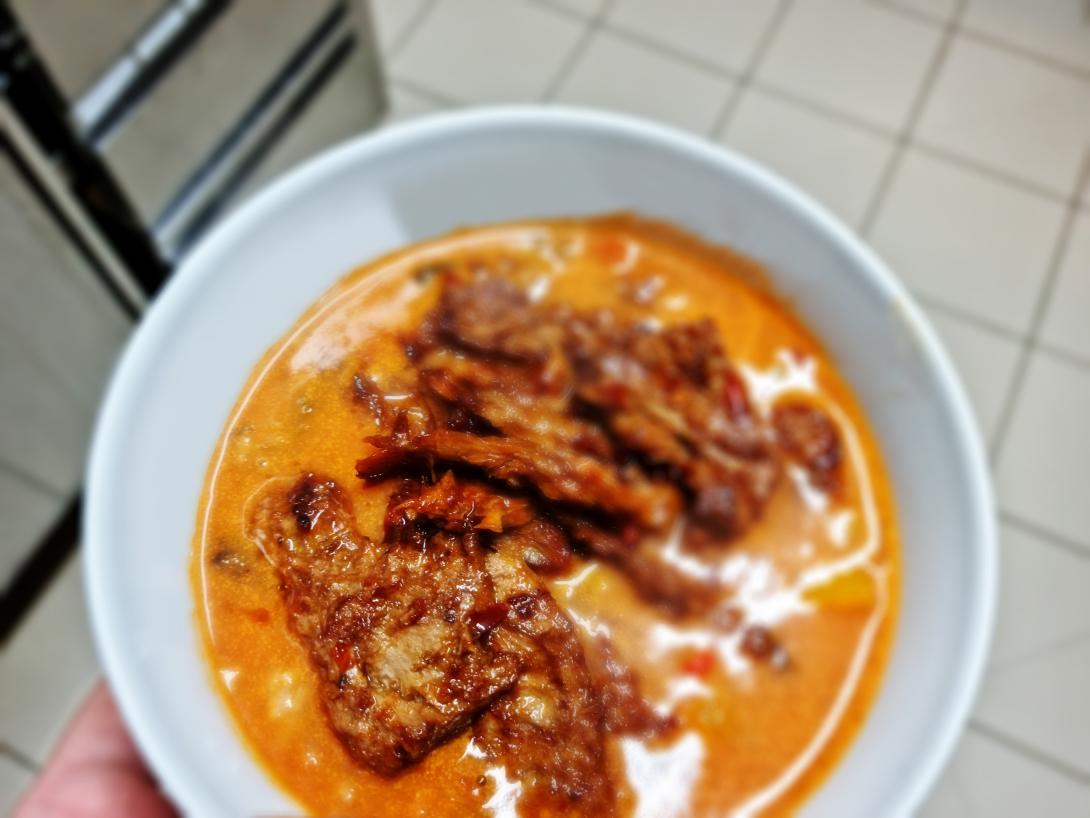
Hail Seitan (Not to be confused with Satan. I had to — the phonetic similarity still cracks me up. Though honestly, I wouldn’t be surprised if someone out there took it seriously and saw in seitan a satanic conspiracy.) Ingredients: 200 g seitan powder 50 g hemp flour 50 g sun-dried tomatoes in oil 50 g oil from sun-dried … Read more
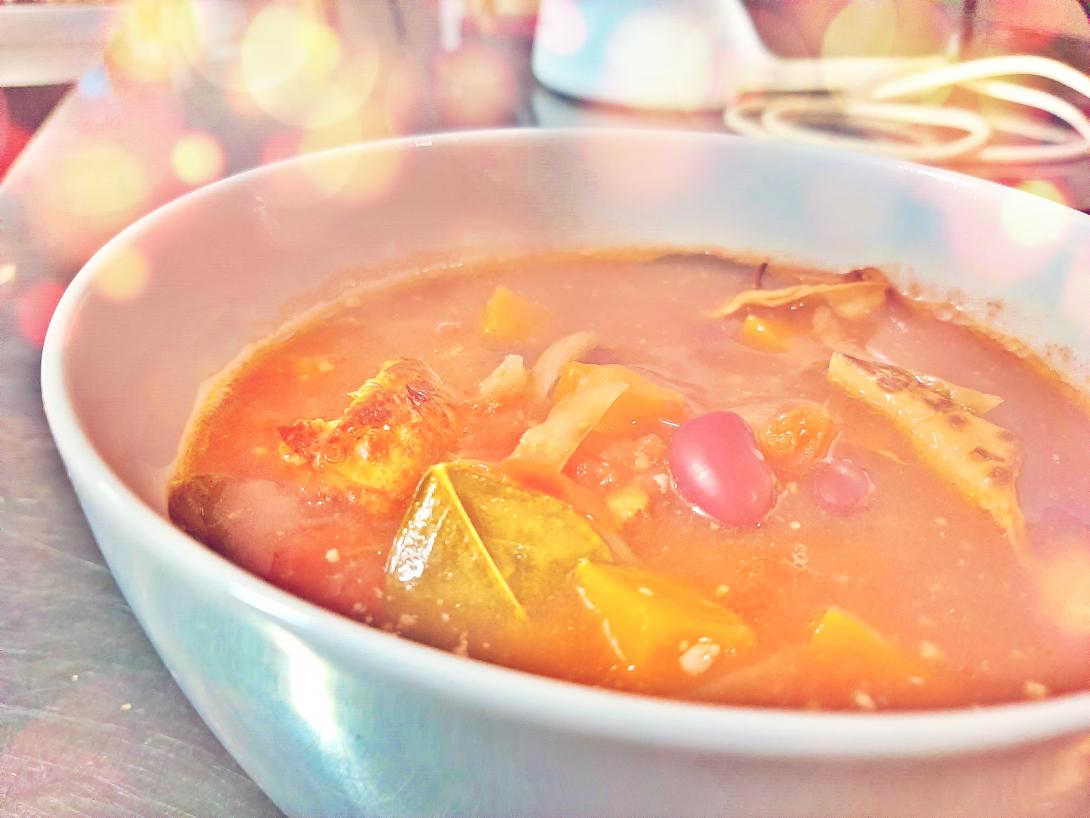
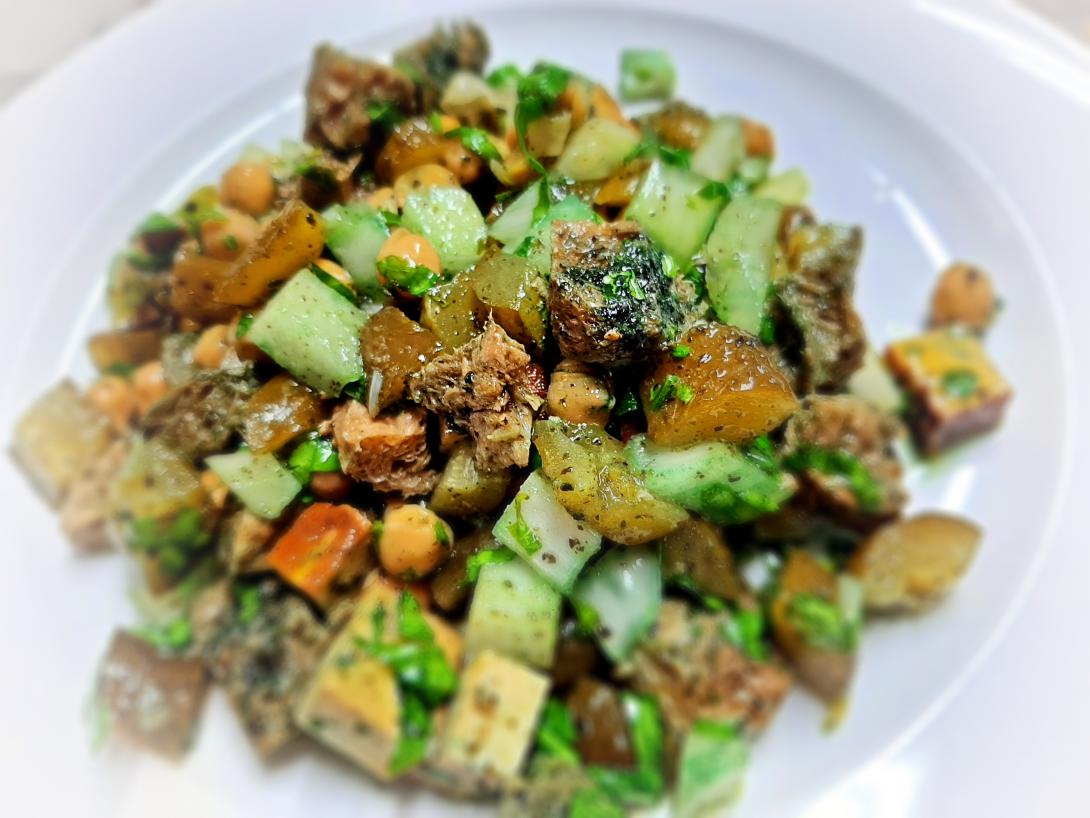
Advent Soup

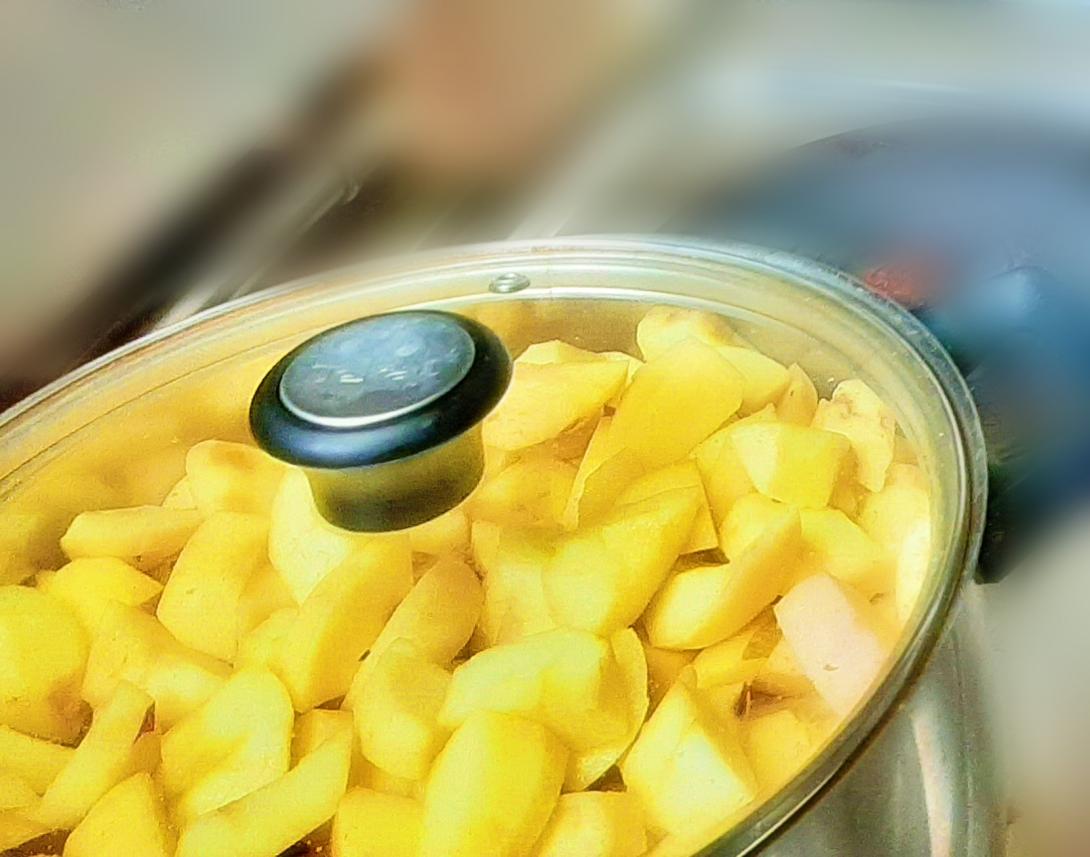
This soup has a bit of an Advent feel — it’s something quick, made with what’s on hand and what you know you won’t use otherwise. For example, I didn’t end up using the sweet potato for a salad. I originally bought it with soup in mind, but I also had leftover kaffir lime leaves and yuba. … Read more

Silesian Advent Salad

Gryfny Shalad for Advent. That’s about the extent of my Silesian, which is barely better than my German. These languages are very much relevant here because *Hekele* is a Silesian Advent salad, sometimes also served on Christmas Eve. And Silesia is one of the most fascinating corners of Europe. Situated between Poland, the Czech Republic, … Read more

“Curd-Like” Ice Cream without Curd

Ice cream is chilled fat with sugar and protein. If you want to make good plant-based ice cream, remember these three components. The first records of chilled, icy desserts date back 2,500 years to Persia, where they prepared desserts resembling today’s sorbets. Icy desserts appear in a Roman cookbook from the 1st century and in … Read more

Efficient Cooking: Saving Energy in the Kitchen

Food is an energy-intensive affair, whether it’s about industrial production and processing or home cooking. Of course, that also includes the intermediary stages, like institutional kitchen gastronomy. It’s worth examining our energy consumption in the kitchen and how we can reduce it. And it’s not just about the kitchen, as there’s already been a lot … Read more

The Leftover Dinner

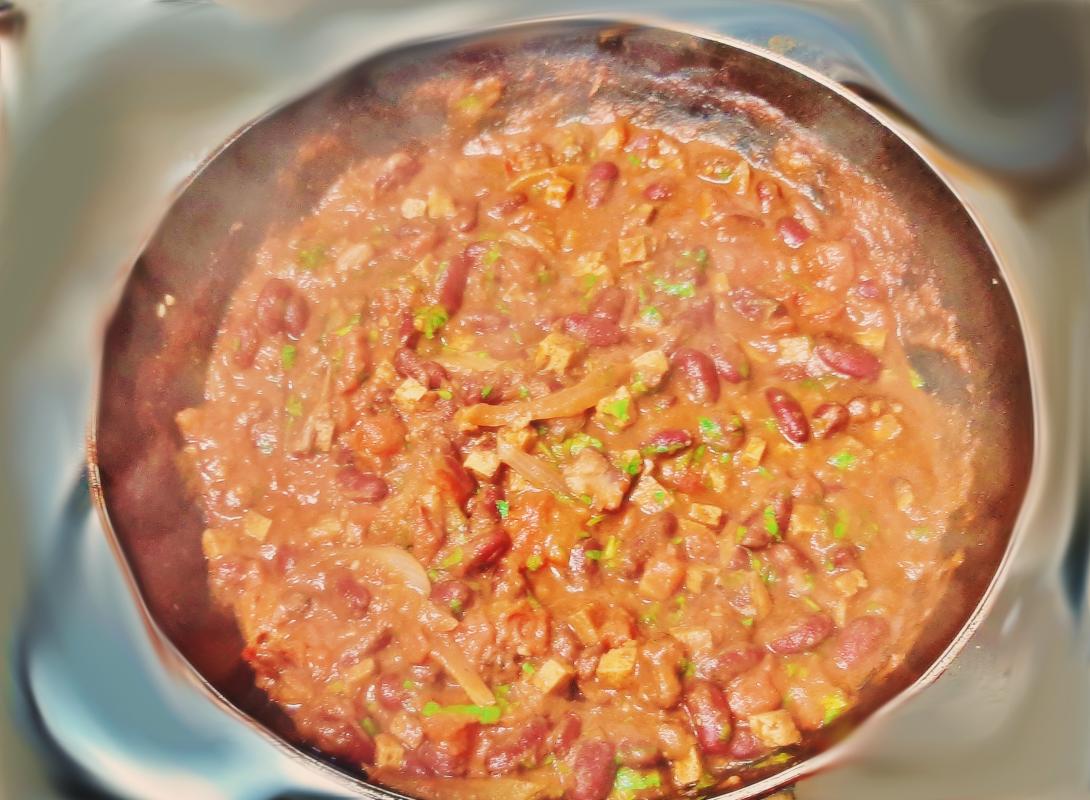
One of a thousand dishes created from leftovers. The recipe, proportions, and ingredients should be seen as a starting point for a refrigerator review. The key elements are primarily protein and umami, two components whose absence in dishes is the main reason for saying ‘I won’t eat without meat.’ If I had a dollar for … Read more

A Somewhat Leftover Dinner

Today, lunch for three people, largely from the leftover ingredients of a 10-day event for 22 people. So there’s always something left, and minimizing food waste is one of my two most important professional challenges for this year. Cooking like this has the advantage that I have more time to experiment with new things, not … Read more

Soup with a regenerative insert

Are you familiar with soups with a regenerative insert?  The regenerative insert, also referred to as the meat insert, was somewhat of a symbol of significant changes that took place in the way Poles ate after World War II, as well as the shortcomings of those changes. When I have a lot of work, my … Read more

Miso bean soup

I already mentioned in the recipe for a meatless miso soup that it is a similar culinary tradition to Polish sourdough żurek. The base for Polish sourdough is wheat or other grains, while miso uses soybeans with the addition of grains, usually rice. However, in both cases, we use the same process: one of the … Read more

Fasting miso soup

What connects Poland and Korea? Fermented foods. Fermented cabbage, to be exact. Fermented cabbage that saved the lives of our peasant ancestors. Fasting soups made with fermented vegetables like sauerkraut and sour rye soup were a staple of the Polish peasant diet. Miso and kimchi are Asian fermented foods similar to sauerkraut and sour rye … Read more