The Cuisine of Life and Death

A culinary creation is also an open work, dependent on context. Different people will taste different dishes from the same pot, shaped by the context of their experiences. And it’s not only about culinary experience — often, cultural context is even more influential. This becomes clear when, like me, you cook from within one culture for people from … Read more
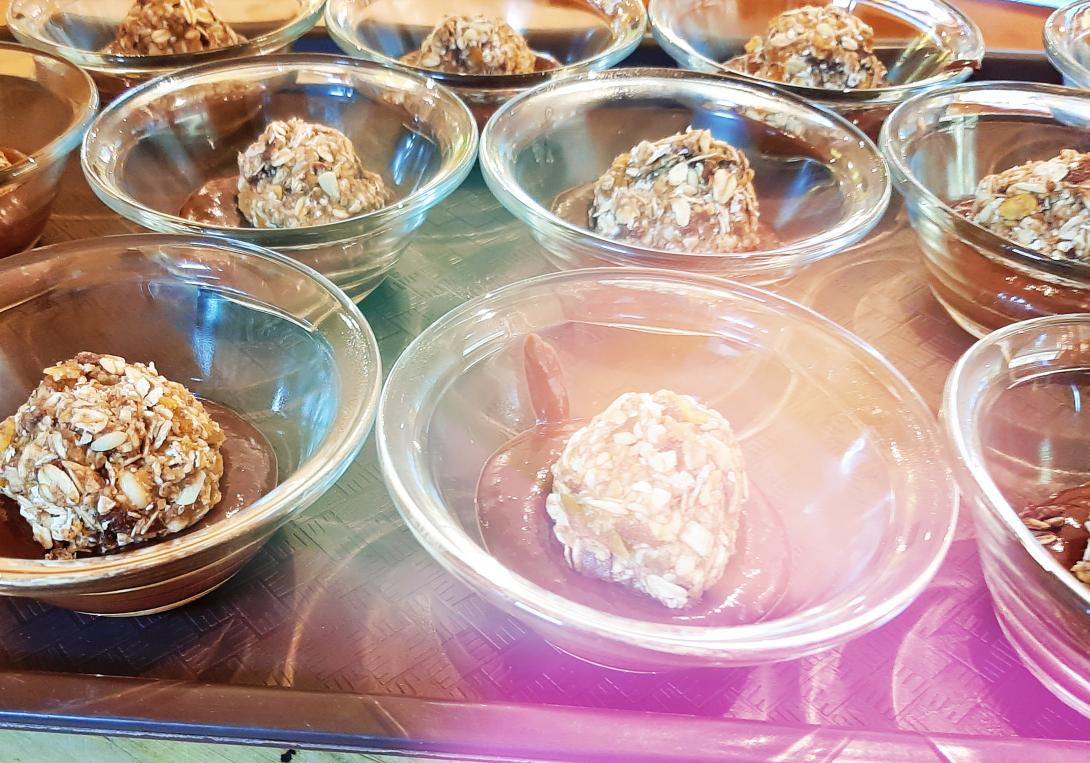
A century-old classic of Polish zero-waste cuisine

A century-old classic of Polish zero-waste cuisine: the not-quite-Bajadera balls. The base of this dessert is dates or another sweet dried fruit like figs. Soak dates in minimal hot water, enough for the fruit to absorb and soften. Once cooled, blend to get date cream, a fantastic natural sweetener for desserts, spreads like Nutella, or even … Read more

Nut and Millet Cake

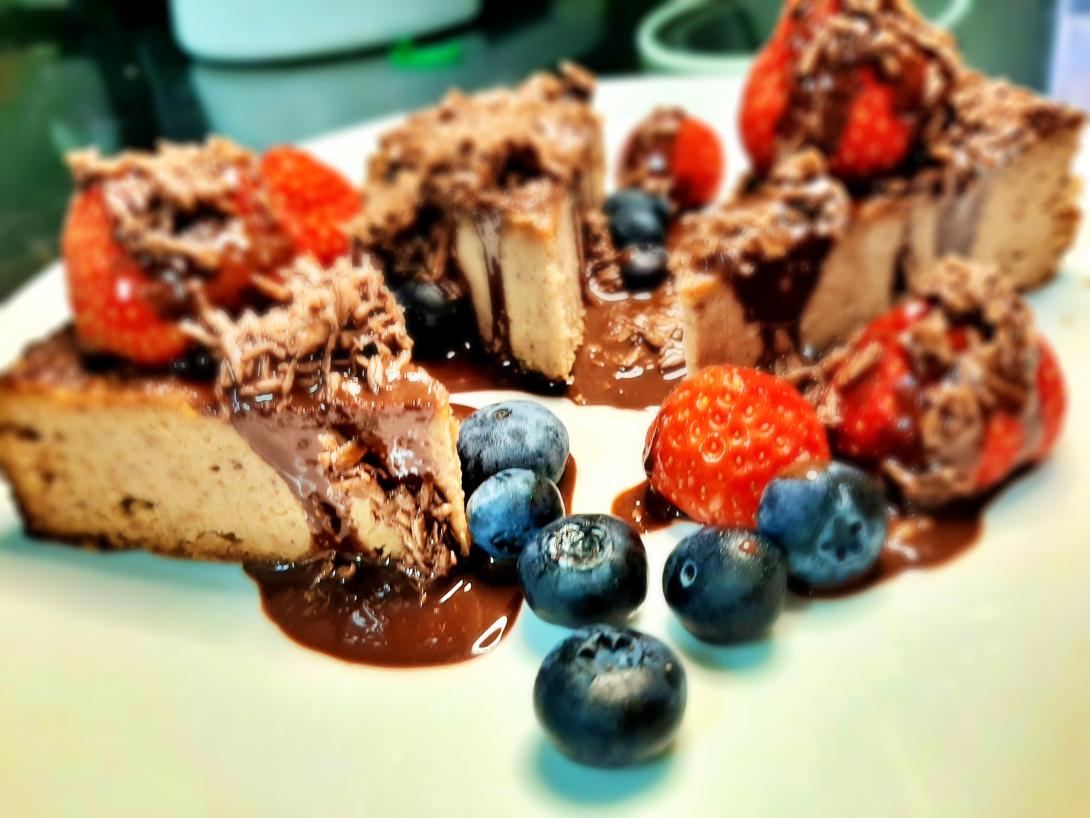
Baking cakes, cookies, desserts, and sweets isn’t exactly my culinary specialty. Probably because for most of my life, when it came to sweets, I liked them all — as long as they had a lot of chili. This cake has no chili, but it’s still good. INGREDIENTS:– 250 ml cooked millet– 100 g raisins– 2 … Read more

Wild Garlic and the Simulacrum of Ideology

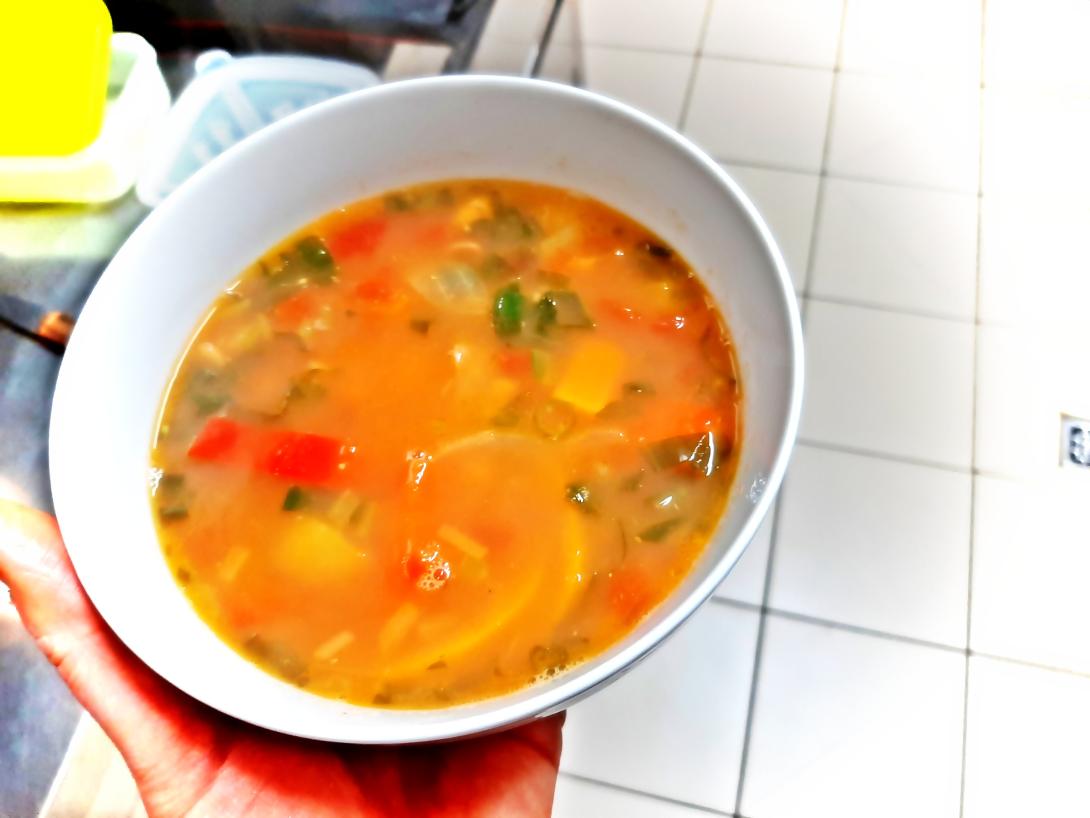
Wild garlic, which is the best thing about living in Lower Saxony (besides being close to Hamburg). Here, it’s a local seasonal delicacy. Not as ubiquitous as asparagus, but available in every grocery store. INGREDIENTS:1 onion (about 100 g net)3 tablespoons of oil (30 ml)2 bell peppers (about 250 g net)150 g peanuts (see notes)150 … Read more

Easter flavors and what does ready-made pasta have to do with women’s emancipation. And horseradish too.

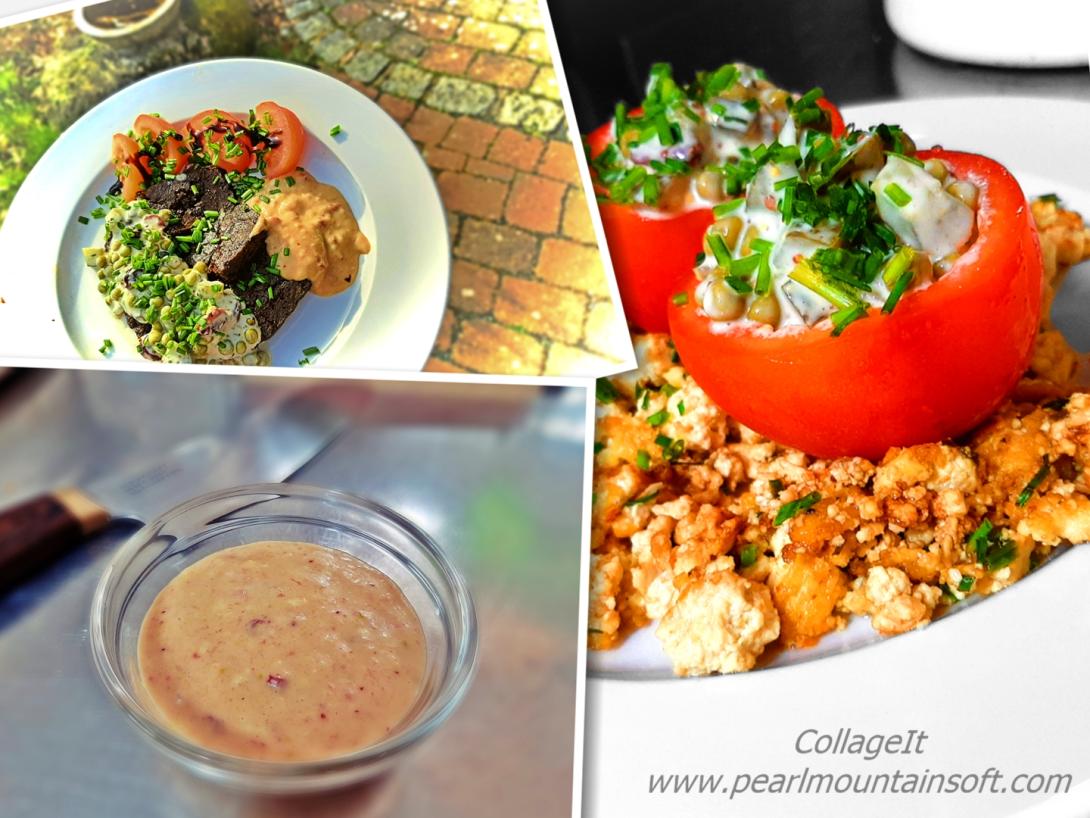
Easter, somewhat in opposition to the Polish Christmas Eve tradition, is a difficult topic to tackle in a plant-based kitchen, with meats, cold cuts, and eggs dominating the table.Creating a plant-based menu for Easter is much more challenging and requires more creativity than for Christmas Eve, where in many dishes there is no need for … Read more

Chef’s breakfast: protein pancakes

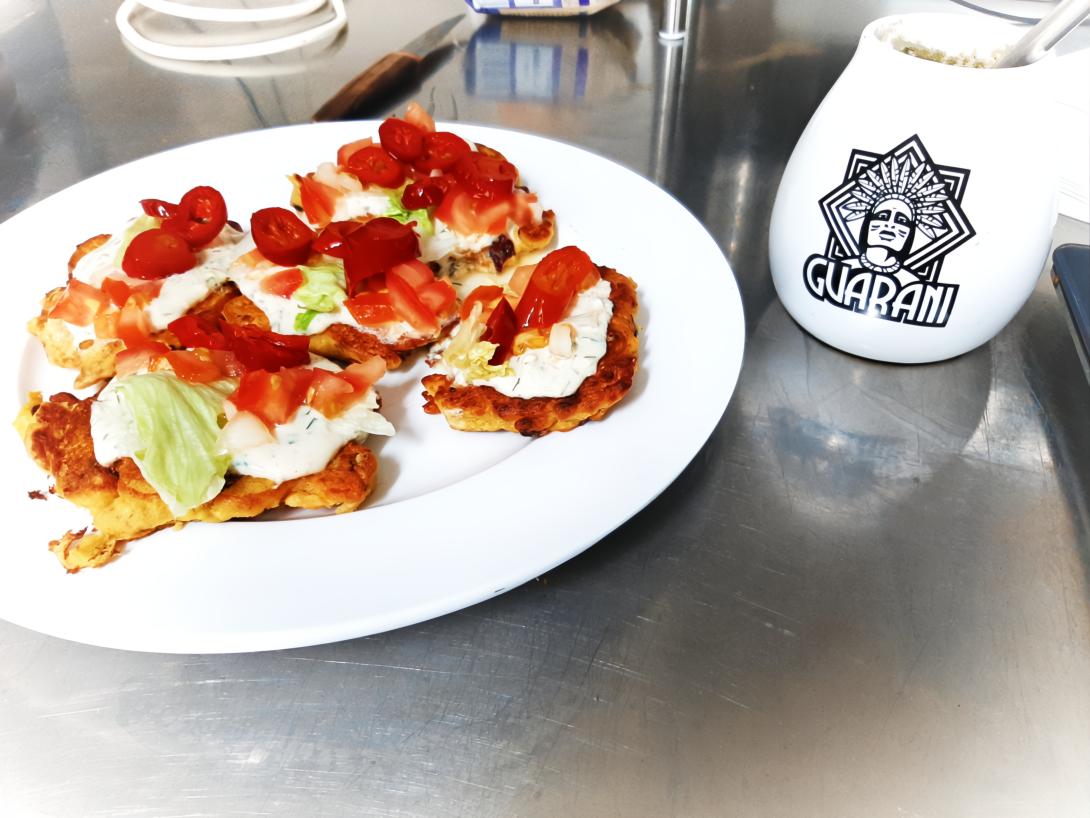
I try to manage the products during events in a way that produces as little waste as possible. Reducing food waste was one of my goals last year and still remains high on the priority list. Of course, there’s always something left, and for a few days after the event, I build my menu largely … Read more

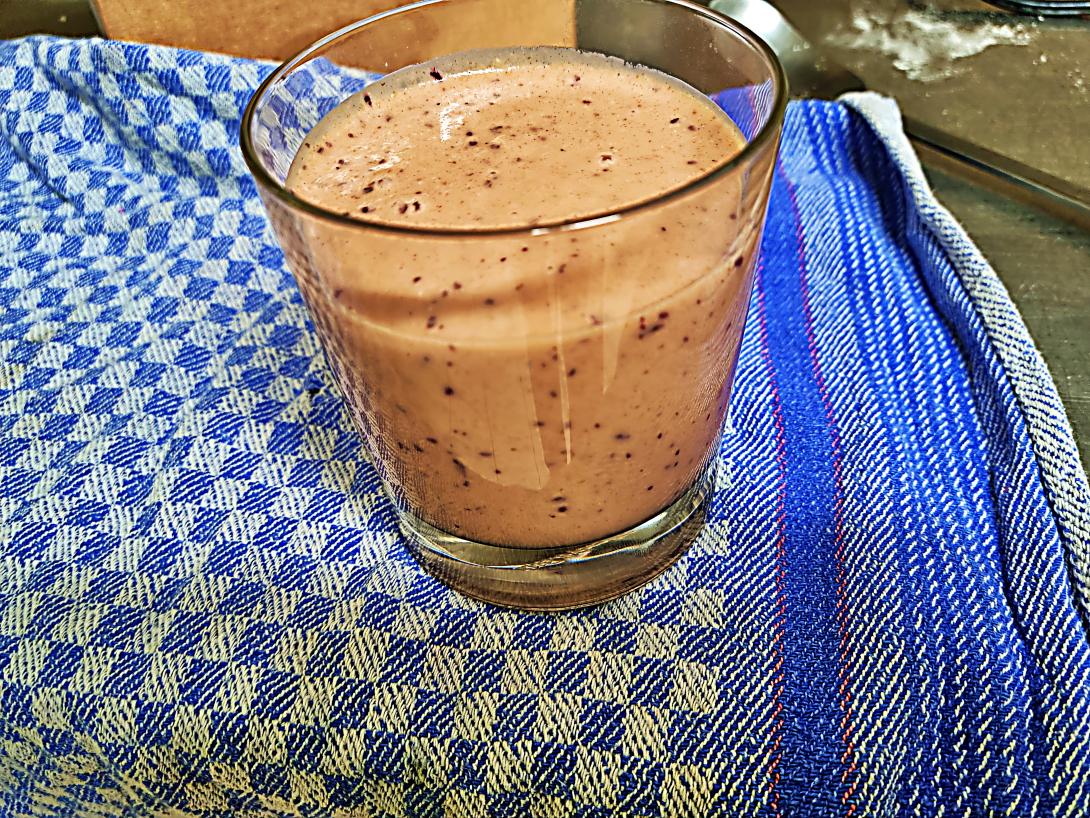
Nomilkshake

The first shake, or rather milkshake, was prepared in 1885 and was an alcoholic cocktail made from whisky and milk, somewhat similar to eggnog (someone in Germany, I can’t remember who right now, produces vegan eggnog, quite good! more artisanal than industrial). However, around 1900, the shake became a “healthy” milk drink with the addition … Read more

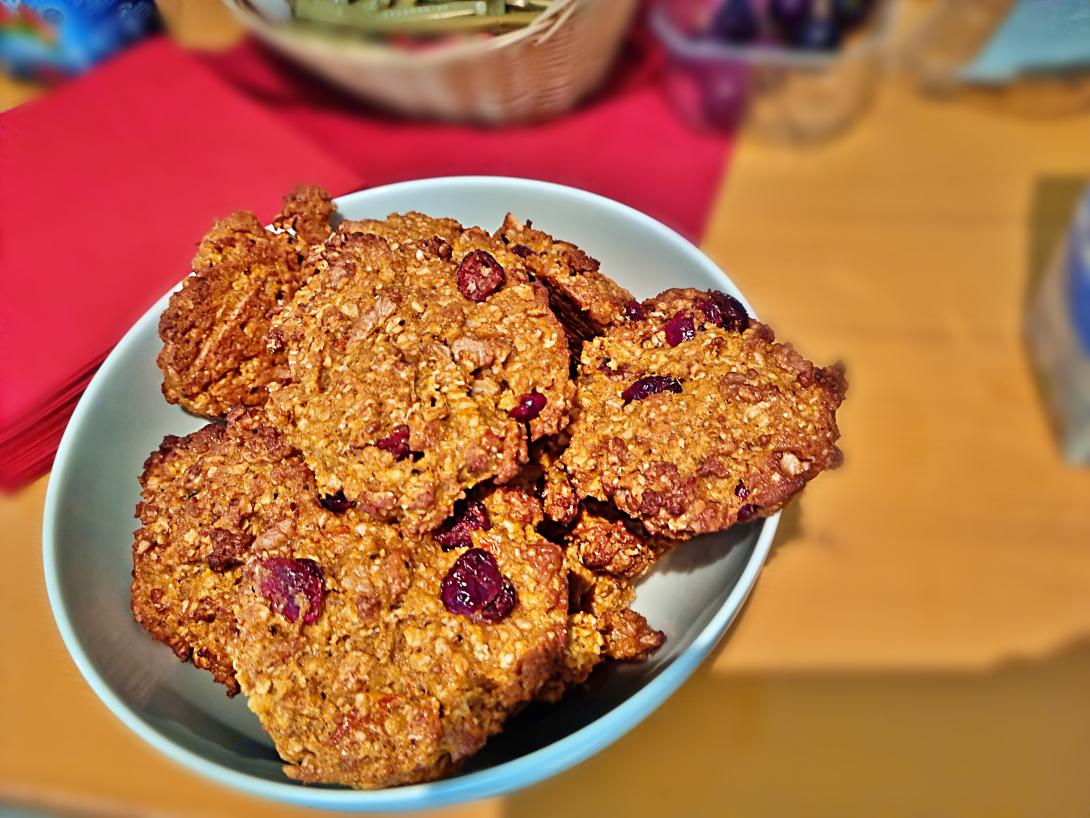
Pumpkin cookies

Recipe, not truly mine but modified by me, yet to my misfortune, pumpkin cookies have become a hit, and it’s worth sharing this recipe. My version of the recipe primarily differs in using less sugar than the original and substituting vanilla with aromatic oils. I also handle the dough differently by adding resting and binding … Read more

Nettle shake, but not necessarily

First shake was made, or at least described, in 1885, but it was different from today’s shakes. It was a sweetened alcoholic drink made with whisky, eggs, and milk, somewhat similar to eggnog (and here’s my “coconogg”). INGREDIENTS:1 ripe mango1 ripe banana1 tablespoon of ground nettle300 ml of oat milk (or any other milk)1 teaspoon … Read more

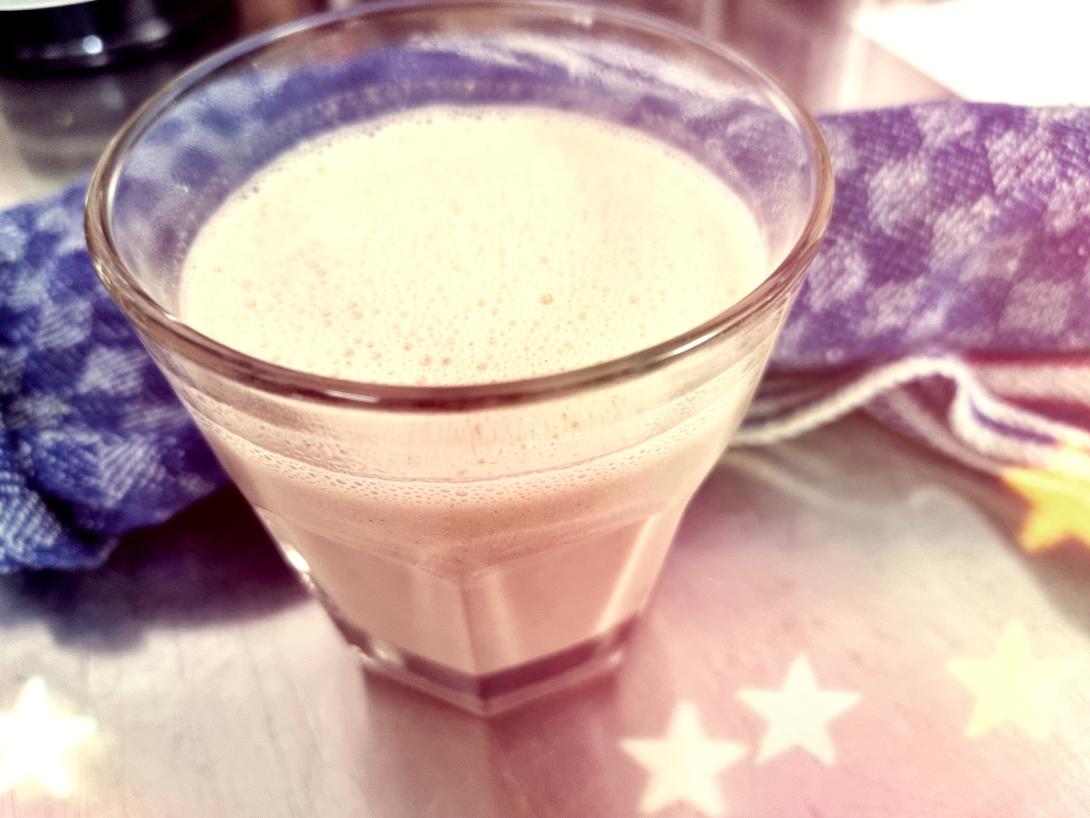
Coconog

Punch, punch, mulled wine, and similar beverages. Somehow in Poland, drinks like these, alcoholic or non-alcoholic, are not really a part of the Christmas tradition. It’s completely different from Anglo-Saxon countries, from Canada, through the USA, England, to Germany, where all kinds of punches, mulled wines, and eggnogs are a mandatory part of the Christmas … Read more