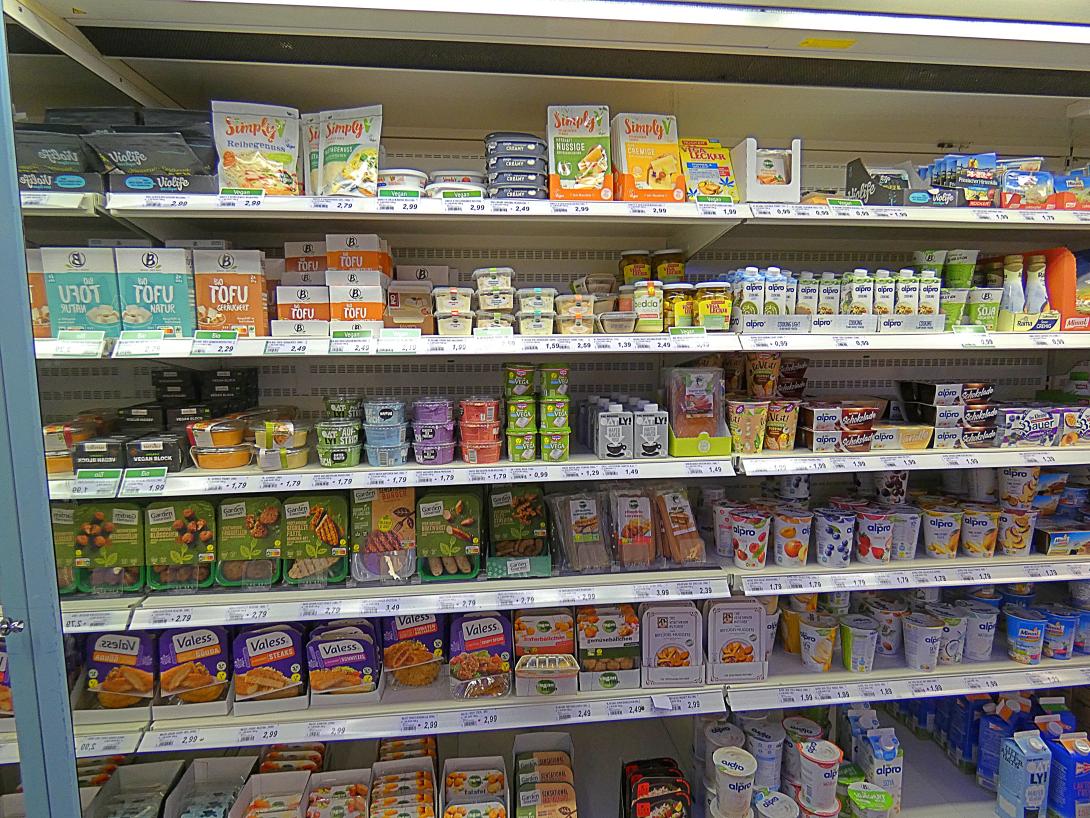
The European Commission wants to ban the use of 29 meat-related names to describe plant-based products.
This proposal effectively highlights the contradictions that plague the Commission and the EU as a whole. It comes just after the European Court of Justice blocked a French law that tried to enforce such a ban on a national level.
Powerful lobbying groups drive these ideas — in part from agriculture, but mainly from the meat processing industry. The Commission’s idea (let’s say with a bit of “inspiration,” surely not just verbal, from business) is completely at odds with the EU’s own transformation goals and the direction we need to take to save healthcare from collapsing and to ensure Europe’s food security in the new global situation. Reducing meat consumption is one of the key steps here.
But I want to look at this from another angle: a professional one.
These bans are both idiotic and ignorant. Such names are convenient — and not new. Almond milk and almond cheese (both names already banned in the EU) were known in Polish cuisine at least 300 years ago; the same fig sausages. Vegetarian vegetable cutlets were classics of 19th-century budget cooking.
They’re convenient because if I tell someone “almond milk,” they instantly know what kind of drink it is, its general properties, and taste. “Almond beverage” could be literally anything.
And yes, a classic schnitzel is made from pork. But we’ve long had chicken schnitzels — prepared in the same way with chicken. So why can’t soy “meat” be called that if it’s prepared the same way? Breaded cutlets made from giant mushrooms or chicken-of-the-woods are folk cuisine staples, and nobody assumes chicken-of-the-woods is a new breed of cattle.
Or take “cauliflower steak.” No one seriously thinks it’s the same as beef. It’s about how it’s sliced and served. And it can be pretty great — especially if you make it with sesame oil and smoked paprika.
This kind of naming is a big help to customers: when they see such a label on a menu or supermarket shelf, they know what to expect.
“Plant-based frying pieces” doesn’t sound appetizing. And that’s exactly the point — to make them sound unappealing. “Pasta with tomato sauce and TVP granules” will convince no one; “100% plant-based Bolognese” will.
Sure, there are people who see “soy milk” and think soy is a special Japanese eco-friendly cow breed that only eats sushi. But there are also people who think McDonald’s is a good restaurant. Compared to that, imagining soy milk comes from a special kind of cow is a pretty minor mistake.
By the same logic, you could ban calling gluten-free pasta “spaghetti” because spaghetti is traditionally made from wheat.
Photo: Refrigerated shelf with plant-based dairy and “meat” products in a German supermarket.
Did you like this text? Do you want more similar ones? Support my blog
- Zaloguj lub zarejestruj się aby dodawać komentarze