Food is an energy-intensive affair, whether it's about industrial production and processing or home cooking. Of course, that also includes the intermediary stages, like institutional kitchen gastronomy. It's worth examining our energy consumption in the kitchen and how we can reduce it.
And it's not just about the kitchen, as there's already been a lot written on that, often with impractical advice (replace all your appliances with energy-efficient ones — a great suggestion, but how?). Let's focus on the cooking process itself.
1. The most basic thing is the lid.
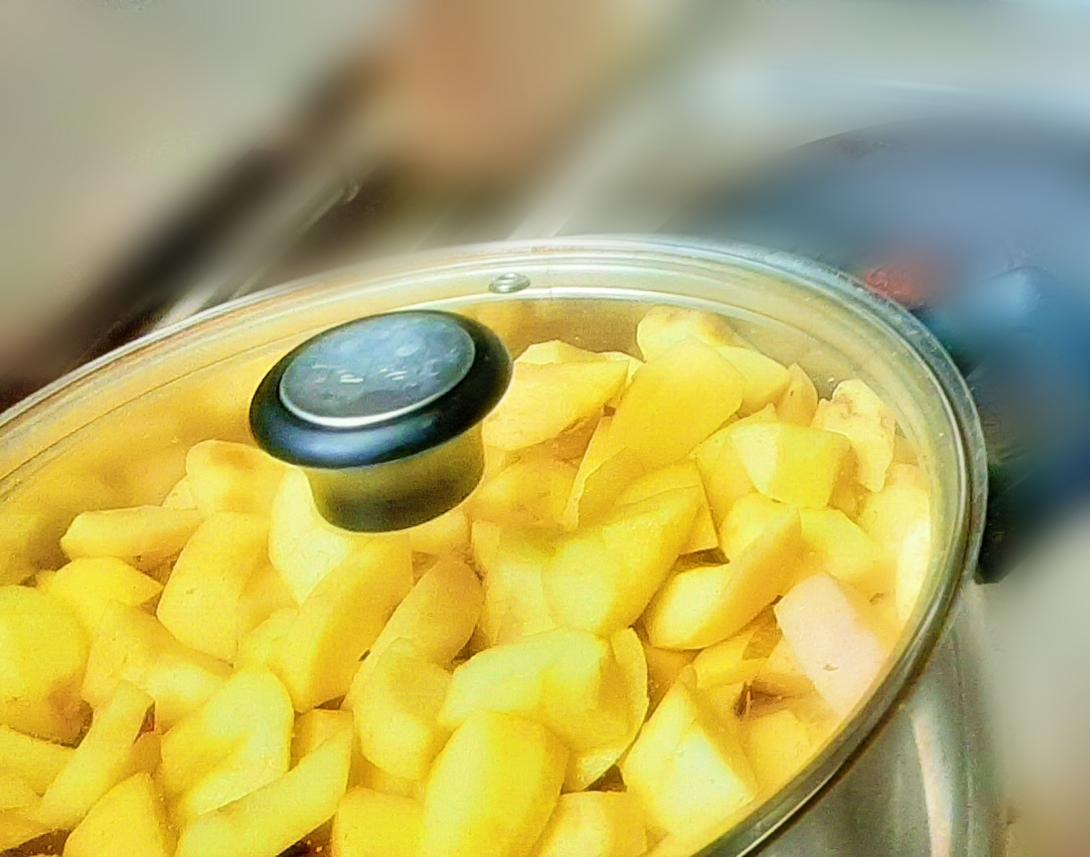
Covering pots can reduce the energy needed to boil the contents by 30%, and it speeds up the cooking process as well. Though, of course, let's not get carried away; moderation and common sense are key. Cooking chickpeas covered might end up flooding the stove.
2. Use just what's needed.
Water, which everyone seems to forget (or missed that class), has a high specific heat. This means it requires a lot of energy to heat it up. Whether it's for coffee, pasta, or anything else, use only the amount of water necessary and no more.
3. Match the pot to the 'burner.'
It's not good, especially if the pot is smaller, as a lot of heat escapes from the sides. Also, the pot should be clean. The more dirt, soot, etc., on the bottom, the weaker the heat conduction. Regularly clean the kettle and cooking utensils from 'scale,' which is the deposit of calcium and magnesium carbonates that precipitate during the water boiling process. The easiest way is to add vinegar to the water, boil it, and let it cool. Then wash it several times, boil water again to get rid of the vinegar smell.
4. Don't waste food.
When you pour cooked soup down the drain, you're also throwing away the energy used to cook it. Leftover cooked potatoes, for instance, are a great ingredient for leftover dishes, like a salad (I recently posted examples of such salads on my Facebook page). This leads us to the next point:
5. Cold cuisine.
Sandwiches can be a tasty and varied dish, just like jellied meats, various pastes, and salads. When planning a menu, it's worth considering how much energy we need to prepare a dish. Even pasta and vegetables cooked al dente or just blanched require less electricity or gas. Ingredients also have different cooking times; beans take longer (pro tip: add baking soda to chickpeas for faster cooking) than lentils, sweet potatoes than regular potatoes.
6. Serve immediately.
Cooking ahead is a great time-saving solution, which I'm a big fan of, but if I make a pot of soup for three days, I'll need energy to reheat it each consecutive day. It's good to prepare meals (especially for the whole family) so that everyone sits down to eat at the same time right after preparation, avoiding reheating. However, if there's a larger quantity already cooked, remember, we don't need to reheat the whole thing every time, just what we're about to eat."
Did you like this text? Do you want more similar ones? Support my blog
- Zaloguj lub zarejestruj się aby dodawać komentarze